
Basement Water Damage in Littleton, CO
Basement water damage in Littleton, CO describes what happens when water gets into a basement, whether from rain, snowmelt, a failed sump pump, foundation seepage, or a plumbing leak, and how far it spreads into floors, walls, insulation, and stored belongings. Restoration takes out the water, dries the room, and cleans everything the water reached. This page explains why basements flood in the Littleton area, what to do first, and how basement water damage is handled.
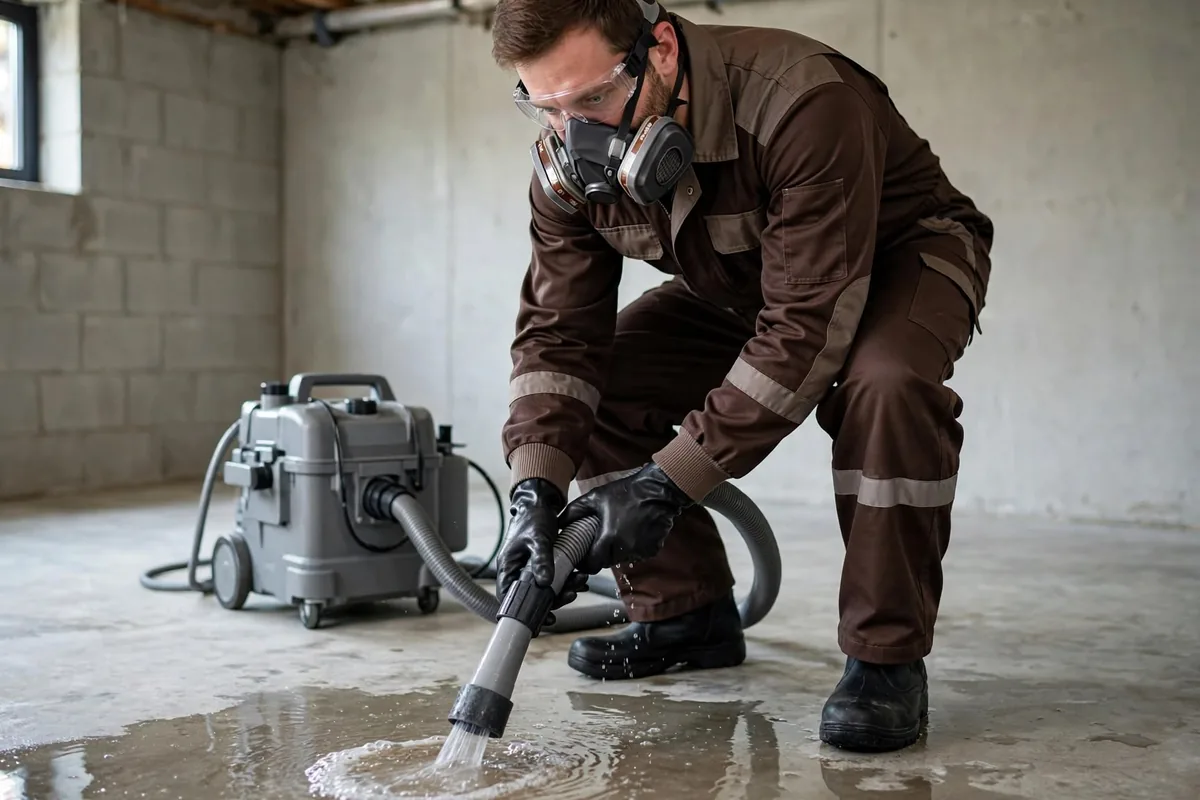
What to Do When Your Basement Floods
Seeing water in the basement is alarming. These steps put safety first and limit the damage:
Do not step into water that could be near live power
Outlets, the panel, and appliances may be sitting in or next to the water, and electrical safety comes before everything else.
Keep clear of the furnace and water heater
If water has reached them, leave them alone and ask your utility or a technician for help.
Stop the source if it is plumbing
If a pipe or fixture is leaking, close its valve or the main shut-off, then watch whether more water arrives.
Move belongings up and out
Lift boxes, electronics, and papers off the floor to dry surfaces.
Take photos and notes
They support an insurance claim.
Reach out for help
Give us the water depth and the likely entry point.
What Basement Water Damage Restoration Includes
In Littleton, CO, basement water damage restoration covers the whole path from standing water to a dry, clean space. A typical job includes:
- Tracing how the water got in and confirming the area is safe to enter
- Pumping out standing water and extracting it from carpet and flooring
- Sorting finished materials into those that can be dried and those that cannot be saved
- Drying the floor, walls, and framing, with readings to confirm the result
- Washing down and sanitizing the walls, floors, and framing the water touched
- Treating odors left behind by dampness
The first two steps rely on water extraction and removal, and the drying step uses structural drying and dehumidification.
Why Basements Flood in Littleton
Basement flooding in Littleton, CO usually comes down to one of seven causes:
Heavy Rain and Snowmelt
The city's flood insurance study shows that every flood of record on the South Platte River came from snowmelt or heavy rain, and rooms below grade are where extra water tends to end up in a house. Wet ground around a foundation gives water a way in through cracks, joints, and window wells.
A Sump Pump That Stops Working
A sump pump only helps while it has power and is working. A pump that fails during a storm, or a power outage that stops it, can let a basement fill, which is why the City of Madison's flood guide recommends a pump with battery backup. Pumps also need testing, because one that has sat idle may not start when water arrives.
Soil and Foundation Movement
The Colorado Geological Survey calls expansive, water-swelling soil Colorado's most significant geologic hazard (opens in a new tab), and says many Front Range cities sit at least partly on swelling soils. Soil that swells and shrinks can crack foundation walls and slabs and open paths for water.
Plumbing Leaks
A failed supply line, water heater, or washing machine hose can flood a basement from inside. A split pipe is handled under burst pipe water damage.
Grading and Downspouts
Ground that slopes toward the house, or downspouts that empty beside the foundation, send roof and yard water straight toward the basement wall. Over time that water saturates the soil next to the foundation.
Window Wells That Fill
Leaves, debris, and heavy rain can overwhelm a window well, and the water then pushes in around the window and runs down the wall.
Sewer Backup Through Floor Drains
A floor drain is the lowest point in many basements, so a sewer backup shows up there first. Contaminated water of that kind falls under sewage cleanup.
How Basement Water Damage Is Handled
Basement jobs follow this order:
Pump Out the Water
The deepest water comes out first, which stops it soaking further into drywall, carpet, and stored items.
Dry Floors, Walls, and Framing
Air movers and dehumidifiers pull moisture from the slab, the lower walls, and the framing, and readings show when each area is dry.
Clean the Surfaces the Water Reached
Walls, floors, and framing the water touched are washed down and, when the water was contaminated, sanitized, and any odor is treated.
Confirm Dryness Before Repairs
Walls should stay open, and paint and flooring should wait, until the readings show everything is dry.
Signs of Hidden Basement Water Damage
Water does not always pool on the floor. The EPA (opens in a new tab) advises against ignoring wet spots and water stains, and notes that hidden leaks can cause condensation or wet spots on walls and promote mold growth behind them. Watch for these signs in a basement:
- A musty smell that returns after cleaning
- Wet spots or stains on walls, ceilings, or floors
- Carpet or padding that feels damp
- Baseboards or trim that swell or warp
- Peeling or bubbling paint
- Condensation on windows or pipes, which can mean the indoor air is too humid
What Happens to Finished and Unfinished Basements
A finished basement has more to lose. Carpet, padding, drywall, and insulation all absorb water, and the EPA guidance calls for discarding wet insulation and for drying carpet within 24 to 48 hours. After floodwater, a university extension guide says carpets and pads are best replaced. An unfinished basement is simpler, because concrete walls and floors can usually be cleaned and dried, but stored boxes, wood, and framing still absorb water and need attention.
Protecting Belongings After Basement Flooding
What can be kept depends on the water. For clean water, the EPA advises photocopying valuable papers and discarding the originals, and removing water from upholstered furniture, while suggesting a specialist for valuable pieces. For sewage or floodwater, Boulder County's flood recovery guidance lists mattresses, pillows, upholstered couches and chairs, and most paper products among the items to throw away after contamination, since they absorb it and resist disinfecting. Photograph items before discarding them, since the photos support an insurance claim.
What Affects the Scope of Basement Water Damage Work
Scope follows the depth of the water, the floor area it covered, whether the basement is finished, the source, and how long materials sat wet. A finished basement with carpet, drywall, and insulation takes more steps than bare concrete, and contaminated water adds washing and sanitizing. No prices appear here, because any quote comes after an assessment.
Does Insurance Cover a Flooded Basement?
It depends on what caused the water. Texas A&M's Real Estate Research Center (opens in a new tab) explains that flood is excluded from standard homeowners policies and that covered water damage generally must be sudden and accidental, so rising floodwater calls for a separate flood policy, and sewer or drain backup needs an added endorsement. Review your policy, ask your insurer what it expects after a loss, and save photos, notes, and receipts.
Reducing the Risk of a Flooded Basement in Littleton
These habits lower the risk:
- Keep water away from the foundation. The Colorado Geological Survey lists inadequate surface drainage, and irrigation water that soaks the soil beside the foundation, among the common causes of problems.
- Extend downspouts and check the grading. The City of Madison's guide advises clearing gutters, extending downspout outlets away from the home, and grading the ground so it slopes away.
- Cover and clear window wells. A well cover keeps rain and debris out.
- Test the sump pump before spring snowmelt, and consider a battery backup.
- Keep valuables off the floor. Raise boxes and electronics, or store them elsewhere.
Basement Water Damage Service Areas in Littleton, CO
Basement service covers these areas of Littleton, Colorado:
- South Littleton
- Trailmark
- Sterne Park
- Downtown Littleton
- Goddard
ZIP codes 80120 and 80126 are within coverage, as are nearby Littleton ZIP codes. Not sure whether your street qualifies? Include it in your note and we will check.
Get Help With a Flooded Basement
Tell Us What You See
With a flooded basement in Littleton, CO, standing water is an emergency, so get in touch now. Tell us how deep it is and where it seems to be entering, and we will outline the first steps.
Details That Help Us Plan the Work
Helpful to know: finished or unfinished, how many rooms are wet, whether the sump pump is running, and whether sewage might be mixed in. Photos are useful when taking them is safe.
Write to Us With the Details
Email contact@waterdamagerestorationlittleton.us with your name, phone number, the property address, and a brief account of what you found, and expect the next steps in reply.