
Mold Remediation in Littleton, CO
Mold remediation in Littleton, CO is the containment and removal of mold growth in a building, together with correcting the moisture that allowed it to grow. Mold cannot grow without moisture, so it typically appears after a leak, a flood, or prolonged high humidity, and the EPA (opens in a new tab) says the key to mold control is moisture control. This page explains when mold needs professional help, how remediation works, and what has to happen to the moisture behind it.
What Mold Remediation Includes
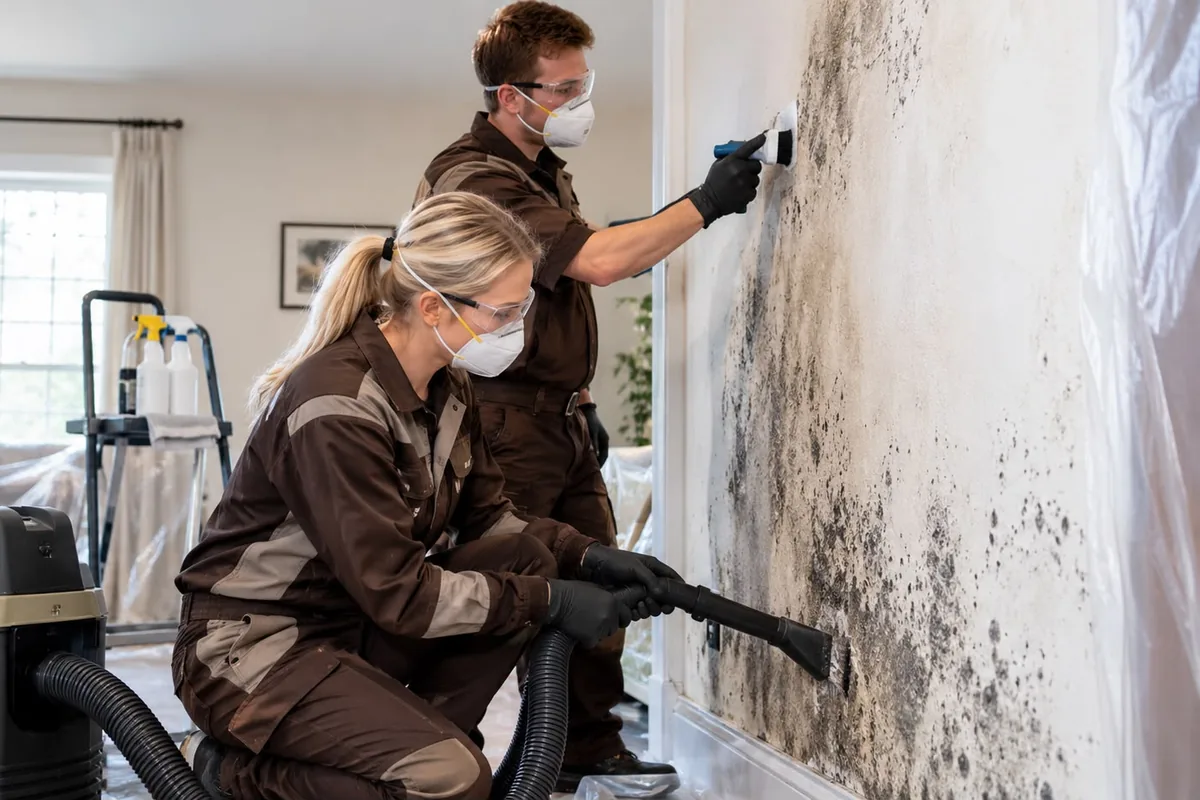
Mold removal is only one part of the job, so mold remediation in Littleton, CO deals with the growth and with the conditions behind it. A typical job includes:
- Inspecting the area to find visible growth and the likely source of moisture
- Containing the work area so spores do not spread to clean rooms
- Removing moldy porous materials beyond cleaning, including soaked drywall and ceiling tiles
- Cleaning hard surfaces and wood that can be saved
- Drying the area and confirming it is dry
- Recommending fixes for the moisture source, such as a plumber or roofer for the leak itself
When Mold Needs a Professional
The EPA says that if the moldy area is less than about 10 square feet, roughly a 3 foot by 3 foot patch, a homeowner can generally handle the cleanup. If there has been a lot of water damage, or the mold covers more than about 10 square feet, the EPA points to its mold remediation guidance for commercial buildings, which is the usual professional reference. Call a professional when the growth is larger, when it keeps coming back, when it may be inside walls or the HVAC system, or when anyone in the household has asthma, allergies, or a weakened immune system, since Massachusetts public health guidance (opens in a new tab) says those people should not do mold cleanup themselves.
Is This Mold Dangerous?
It Can Affect Health
The EPA says molds can cause asthma attacks in people with asthma who are allergic to mold, and that research on mold and health effects is ongoing. If you have health concerns, ask a health professional before starting cleanup.
It Spreads While Moisture Remains
Mold keeps growing as long as the material stays wet or humid. EPA guidance is to get wet materials dry within a day or two, since that is when mold can begin to grow.
Size and Location Matter
A small patch on a hard surface is a different problem from growth behind drywall, under flooring, or near an air vent, where it can spread out of sight and be harder to reach.
Early Action Is Simpler
Mold caught while it is small, and tied to a leak that has already been fixed, usually involves less removal than mold that has grown for weeks.
Do You Need Mold Testing?
Often, no. Mold testing is rarely needed: Massachusetts public health guidance says environmental testing, such as air tests or bulk sample analysis, to confirm the types and amounts of mold is not recommended, and a Nebraska health department summary of EPA guidance says that if visible mold is present, testing or sampling is unnecessary in most cases. The reason is that the cleanup is the same either way: remove the mold and fix the moisture. If you are unsure whether a stain or smell is mold, the EPA's guide also includes a section on testing and sampling.
Where Mold Hides After Water Damage
Mold is not always on the surface. The EPA notes that hidden leaks can cause wet spots on walls and lead to mold growth behind them. After a leak or flood, check these places:
- Behind baseboards and drywall near the floor
- Under carpet and padding
- Inside wall cavities and around pipes
- In attic insulation and on the underside of the roof deck
- Around basement walls and in crawl spaces
- Near windows with heavy condensation, and around air vents
How Mold Remediation Works
Find the Moisture and the Growth
The first step is locating where the mold is and where the water came from. If the source is a hidden leak, water leak detection helps find it.
Contain the Work Area
The area is separated from the rest of the building so that disturbing the mold does not spread spores to clean rooms.
Remove and Clean
Moldy materials that cannot be cleaned come out; the EPA notes that absorbent items like ceiling tiles and carpet may have to be discarded once they are moldy. Hard surfaces can be scrubbed with detergent and water and dried completely.
Dry the Area and Control Moisture
The structure is dried with structural drying and dehumidification until readings confirm it, because mold returns if the moisture does.
Signs You May Need Mold Remediation
Look for these signs:
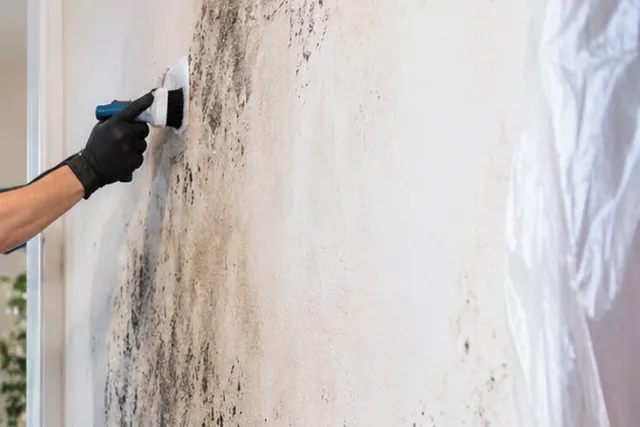
- Visible fuzzy, spotted, or discolored growth on walls, ceilings, or flooring
- A musty odor that keeps coming back
- Water stains, peeling paint, or bubbling wallpaper
- Materials that stayed wet for more than 48 hours after a leak or flood
- Condensation on windows or pipes, which the EPA says can signal high indoor humidity
- Growth near an air vent or on the HVAC system
What Not to Do When You Find Mold
A few well-meant steps make things worse:
- Do not paint over wet or moldy walls. The EPA advises against it.
- Do not leave the moisture source alone. Cleaning without fixing the leak invites the mold back.
- Do not mix bleach with ammonia. The Colorado Department of Public Health and Environment warns that the combination makes toxic gases.
- Do not let someone with asthma, allergies, or a weakened immune system do the cleanup. The Massachusetts guidance says they should not.
What Mold Remediation Cannot Do
Remediation has limits. The EPA says it is impossible to get rid of all mold and mold spores indoors, so the goal is to stop growth, not to make a building spore-free. Mold will return if the moisture problem is not fixed, which is why the source of the water matters as much as the cleanup. And remediation does not repair plumbing or roofing, so a leaking pipe or roof still needs the right trade.
Preventing Mold After Water Damage
Prevention starts with drying the area early. Water damage cleanup sorts what can be saved, and EPA guidance is to hold indoor humidity under 60 percent, ideally 30 to 50 percent. A basement is a common place for mold to start, so a wet basement should be dried promptly, as covered under basement water damage.
Mold in Colorado Rentals: What the Law Says
Colorado's residential warranty of habitability addresses mold. According to the legislature's summary of HB19-1170 (opens in a new tab), a landlord can breach the warranty when there is mold associated with dampness, or another damp condition that would materially interfere with a tenant's life, health, or safety, and the landlord fails to act after notice. This is general information, not legal advice, so tenants and landlords with a dispute should get legal guidance.
How to Choose a Mold Remediation Contractor
The EPA advises making sure a contractor has experience cleaning up mold, and a Nebraska health department summary adds that you should check references and ask the contractor to follow the recommendations in the EPA's mold remediation guidance or other guidelines from professional or government organizations. Ask for a written scope that covers containment, what will be removed, how the moisture source will be handled, and how dryness will be confirmed.
Does Insurance Cover Mold Remediation?
Sometimes. Coverage depends on the cause and on your policy: mold that follows a sudden covered water loss may be treated differently from mold that grew from a long-term leak. Ask your insurer how your policy treats mold, and save your photos, notes, and receipts.
What Affects the Scope of Mold Remediation
Scope follows the size of the affected area, the materials involved, whether the growth is hidden inside walls or ductwork, how long the area was wet, and whether the moisture source has been fixed. Pricing waits for an assessment, so this page lists none.
Mold Remediation Service Areas in Littleton, CO
Mold work reaches these parts of Littleton, Colorado:
- Ketring Park
- Heritage
- Southwest Littleton
- Progress Park
- Trailmark
Coverage takes in ZIP codes 80122 and 80130 and the Littleton ZIP codes near them. Wondering about your address? Include it when you write and we will confirm.
Get Help With Mold
Tell Us What You Found
If you have found mold, tell us where it is, how large the area looks, and whether you know the cause. We will explain what the work involves and whether it needs a professional.
What Helps Us Understand the Mold
Helpful details: when the water problem happened, whether the leak has been fixed, whether anyone in the home has asthma or allergies, and whether the mold is near an air vent. Photos are optional and worth taking only if it is safe.
Write to Us About the Mold
Email contact@waterdamagerestorationlittleton.us with your name, phone number, the property address, and a brief description of the mold, and expect the next steps in reply.