
Water Damage Cleanup in Littleton, CO
Water damage cleanup in Littleton, CO is the work that follows a leak, spill, or flood after the standing water has been removed: sorting what can be dried from what cannot, cleaning and sanitizing the surfaces the water touched, treating odors, and getting the space ready for drying. It is different from water extraction, which removes the water, and from drying, which removes the moisture left inside materials. This page explains what cleanup includes, which materials can be saved, and when professional cleanup is needed.
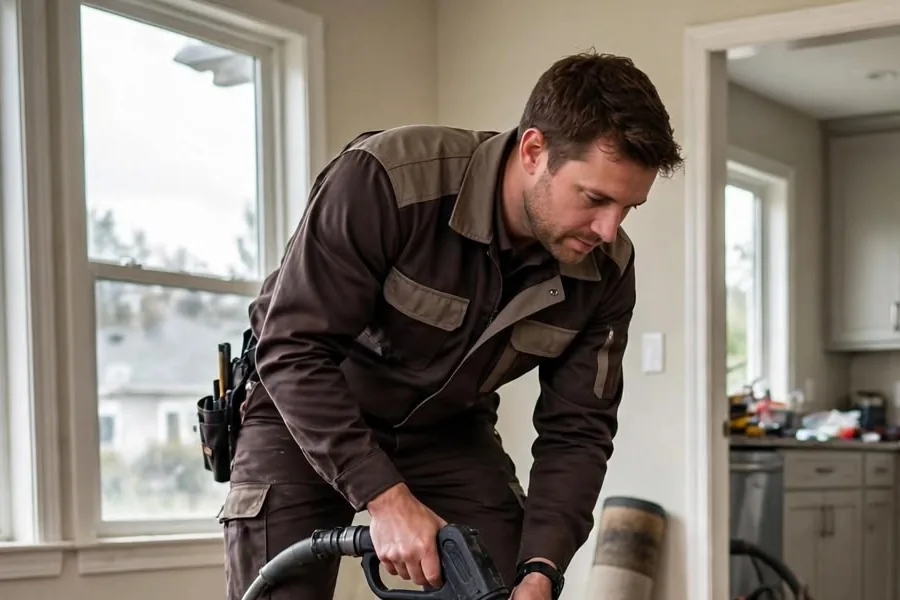
What Water Damage Cleanup Includes
In Littleton, CO, water damage cleanup is a multi-step job rather than a surface wipe-down. A typical job includes:
- Inspecting every wet area to see which materials the water reached
- Sorting materials into those that can be dried and cleaned and those that cannot be saved
- Taking out soaked materials beyond saving, such as carpet padding and wet insulation
- Cleaning and sanitizing the surfaces the water touched
- Treating odors left by moisture or contamination
- Preparing the area for drying and for repairs
How much of this a property needs depends on the kind of water involved, how long materials sat wet, and how far it spread.
What the Cleanup Inspection Looks For
The inspection goes beyond what is visible. It checks:
- Moisture behind baseboards, under flooring, inside cabinet bases, and above ceilings
- Stains, discoloration, and soft or swollen materials
- Odors that point to hidden moisture or contamination
- Clues to what type of water was involved
- Whether materials have been wet long enough that mold may have started
The findings decide what is cleaned, what is removed, and what moves on to drying.
What Can Be Saved and What Usually Gets Replaced
Materials That Can Often Be Saved
The EPA (opens in a new tab) publishes guidance for clean water damage that is addressed within 24 to 48 hours. Under it, these materials can often be saved:
- Carpet and backing, if water is extracted and the carpet is dried within 24 to 48 hours, with the subfloor beneath it also cleaned and dried
- Treated or finished wood, which can be cleaned with mild detergent and clean water and allowed to dry, with care when heat is used on hardwood floors
- Hard flooring such as vinyl, linoleum, and ceramic tile, after the water is extracted
- Upholstered furniture, after the water is extracted, with valuable pieces best left to a specialist
- Drywall, only if it dries intact without swelling
Materials That Are Usually Replaced
The same EPA guidance calls for discarding and replacing these materials:
- Ceiling tiles
- Cellulose insulation
- Fiberglass insulation
- Drywall that does not dry intact
- Books and papers that are not valuable, while the EPA advises photocopying important ones and discarding the originals
How Water Type and Time Change the Answer
That EPA table applies to clean water. If materials stayed wet for more than 48 hours or mold has started, different rules apply. Floodwater and sewage change the answer most, since a university extension guide says flooded carpets are best replaced, and Boulder County's flood guidance says to throw away contaminated mattresses, pillows, upholstered furniture, and most paper products. When the water came from a sewage backup, the job falls under sewage cleanup.
How Water Damage Cleanup Works
Inspect and Sort
We check every wet room, identify the type of water, and sort materials into those that can be saved and those that cannot. A material that looks fine can still be holding water, and the sorting decides how much work the rest of the job needs.
Remove What Cannot Be Saved
Soaked materials that are beyond saving, such as padding, wet insulation, and swollen drywall, are taken out so they stop holding moisture against the structure. Taking them out early also gives drying equipment direct access to the wet framing and subfloor beneath.
Clean and Sanitize Surfaces
Floors, walls, and framing that got wet are cleaned, and they are also sanitized if the water was contaminated. Cleaning removes soil and residue first, because sanitizing works on a clean surface.
Treat Odors and Prepare for Drying
Odors are treated at the source, and the area is prepared for structural drying and dehumidification, which removes the moisture cleaning cannot reach.
Why Cleaning Comes Before Sanitizing
Cleaning and sanitizing are separate steps. Cleaning removes soil, residue, and debris from a surface, and sanitizing is applied afterward to reduce germs on it. Boulder County's flood guidance says sewage-exposed materials must be thoroughly cleaned and disinfected, which is why contaminated water adds steps to a job that clean-water damage does not need.
Signs You Need Professional Water Damage Cleanup
Professional cleanup is worth considering when you notice any of these:
- A musty smell that stays after the area looks dry
- Stains or discoloration on ceilings, walls, or floors
- Drywall that is swollen, soft, or crumbling
- Paint or wallpaper that is peeling or bubbling
- Flooring that is warped or buckled
- A sticky or slimy film on surfaces the water touched
- Water that came from a sewage backup or floodwater
- Materials that have been wet for more than 48 hours
If mold is already visible, mold remediation deals with the growth itself.
Where Water Damage Cleanup Is Needed in Littleton Properties
Kitchens and Bathrooms
Supply line, dishwasher, and fixture leaks wet cabinet bases, subfloors, and the walls behind them, and particleboard cabinetry can swell when it stays wet.
Basements and Lower Levels
Water that reached a basement soaks the bottoms of walls, insulation, and stored items, which usually need sorting.
Bedrooms and Living Areas
Ceiling leaks and upstairs plumbing failures send water through ceilings, walls, and carpet on the floors below.
Shops, Offices, and Rentals
In a commercial space, cleanup often stretches across larger floors and shared walls, so the scope can become large.
Cleanup vs. Extraction, Drying, and Mold Remediation
These four services are related but different. Water extraction and removal pulls out the standing water. Drying pulls moisture out of materials that stay wet after the water is gone. Cleanup sorts, cleans, and sanitizes the affected materials and surfaces. Mold remediation deals with mold that has already taken hold. A single job often uses all four, in that order, which is why a clean-looking room can still need drying and a dry room can still need cleaning.
What Shapes the Scope and Cost of Water Damage Cleanup
Scope and cost depend on the type of water, the time materials stayed wet, the number of rooms affected, the materials involved, and how much has to be removed. Contaminated water adds cleaning and sanitizing steps. A quote comes only after an assessment, so no prices are shown here. If a claim is possible, take photos of the damage before discarding anything.
What to Do Before Cleanup Begins
Stay Safe in Wet Areas
Stay away from electrical equipment that is in or beside the water, and put on gloves and boots before handling wet materials. Boulder County advises respiratory protection during flood cleanup, especially once materials have dried. If you use a disinfectant, follow the label and never mix bleach with ammonia or acids such as vinegar.
Hold Off on Throwing Things Away
Photograph damaged materials and belongings first. They document the loss for your insurer, and some items may be salvageable.
Cleanup Guidance for Colorado Properties
Boulder County's flood recovery guidance (opens in a new tab) for Colorado homeowners notes that floodwater can contain sewage, industrial waste, and bacteria, and that mold can penetrate deep into soaked porous materials such as wood, insulation, and drywall. It also says materials exposed to sewage must be thoroughly cleaned and disinfected. Those risks are why cleanup after contaminated water is handled differently from cleanup after a clean supply line leak.
Water Damage Cleanup Service Areas in Littleton, CO
Cleanup work covers these parts of Littleton, Colorado:
- Centennial
- Goddard
- Heritage
- Progress Park
- Sterne Park
ZIP codes 80122 and 80129 are covered, along with neighboring Littleton ZIP codes. Is your street on the list? Tell us the street and we will confirm.
Get Help With Water Damage Cleanup
Describe the Damage
For water damage cleanup in Littleton, CO, start by telling us what happened, which rooms are affected, and what the water touched. We will explain which materials may be saved and what the cleanup involves.
What Helps Us Scope the Cleanup
Useful details include where the water came from, when it happened, whether any of it may be sewage, and which floors and walls got wet. Photos are welcome, provided taking them is safe.
Write to Us
Write to contact@waterdamagerestorationlittleton.us with your name, phone number, property address, and a brief description, and the next steps will follow by reply.