
Sewage Cleanup in Littleton, CO
In Littleton, CO, sewage cleanup means safely removing wastewater from a backed-up drain, toilet, or sewer line, then sanitizing and drying everything the water touched. Sewage carries bacteria, viruses, and parasites, so it needs protective equipment and different handling than a clean-water leak. This page explains what to do during a sewage backup, who is responsible for the sewer line, and how sewage cleanup works.
What to Do During a Sewage Backup
If sewage is coming up through a drain, toilet, or tub, take these steps in order:
Keep people and pets out of the affected area
Avoid contact with the water, and wash hands thoroughly after any exposure.
Stop adding water to the system
Hold off on flushing, running sinks, showers, and the washing machine until the backup is resolved.
Avoid electrical equipment that is wet or standing in the water
Find out where the blockage is
The City of Littleton lists its sewer emergency and maintenance contacts on its sewer backup page (opens in a new tab), and city staff check the main line for a blockage.
If the blockage is in your own pipe, a plumber is the next call
City staff may not clear blockages inside a homeowner's service line, according to the city, so that job goes to a plumbing or sewer contractor.
Photograph the damage and contact your insurer right away
Contact us about cleanup
Treat it as an emergency, since sewage is a health risk.
What Sewage Cleanup Includes
Sewage cleanup in Littleton, CO is a controlled process, not a mop and bucket job. A typical cleanup includes:
- Setting up protective measures so contamination does not spread to clean areas
- Removing the wastewater from floors and low areas
- Sorting what can be cleaned from what must be discarded
- Taking out contaminated materials that cannot be cleaned, such as carpet padding and soaked drywall
- Washing and disinfecting the walls, floors, and surfaces the sewage touched
- Treating odor and drying the area
How to Compare Sewage Cleanup Quotes
The City of Littleton does not endorse any company and encourages property owners to get quotes from a few. The city's sewer backup page says that, at a minimum, cleanup should include:
- Wet-vacuuming or removal of spillage
- Mopping floors and wiping walls with soap and disinfectant
- Flushing out and disinfecting plumbing fixtures
- Steam cleaning or removing wet carpets or drapes
- Repairing or removing damaged wallboard or wall covering
- Cleanup of ductwork
When you compare quotes, check how each one covers these items.
Why Sewage Water Is Dangerous
It Carries Disease-Causing Organisms
The Colorado Department of Public Health and Environment says untreated sewage contains bacteria, viruses, and parasites, and that contact can cause skin infections and rashes, while accidental swallowing can cause nausea, vomiting, and diarrhea. Breathing airborne microorganisms can also cause respiratory infections and allergic reactions.
Porous Materials Absorb It
Mattresses, pillows, foam items, upholstered furniture, books, and most paper products soak up contamination and are hard to disinfect, so the same state guidance says they should generally be discarded.
Odor and Residue Linger
If the area is not cleaned and dried properly, a musty odor can remain long after the overflow, because microorganisms keep growing as long as humidity stays high.
Protection Is Not Optional
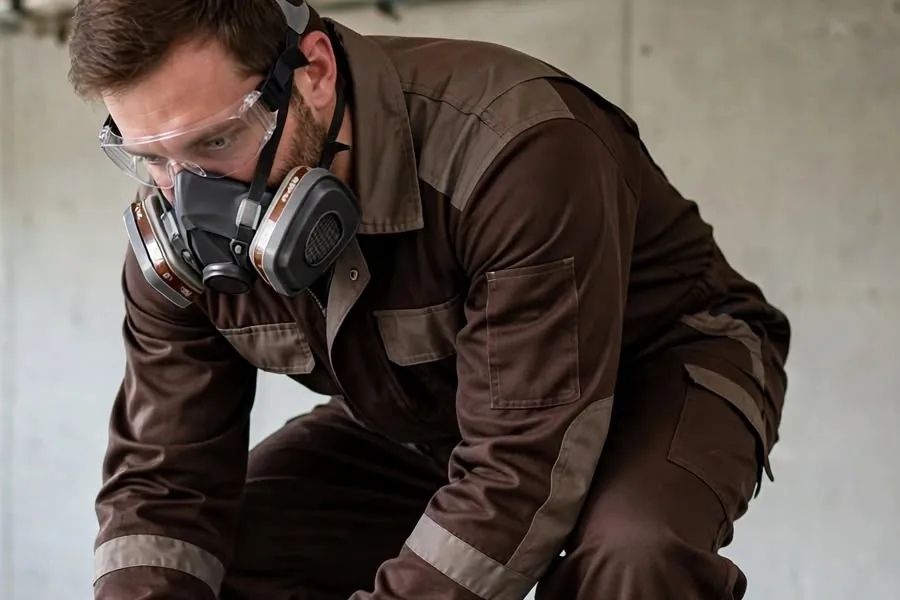
Cleaning up sewage calls for waterproof boots, gloves, eye protection, and washable or disposable clothing, plus a dust mask to avoid breathing airborne microorganisms.
How Sewage Cleanup Works
Contain and Protect
Work begins with protective setup, and the affected area is separated from clean parts of the property so the contamination stays where it is.
Remove the Wastewater
The first job is pulling out standing sewage and wastewater with water extraction and removal, so no more of it seeps into floors and walls.
Clean and Disinfect
Hard surfaces are washed and disinfected, and soaked porous materials that cannot be cleaned are removed and sealed in heavy plastic bags for disposal.
Dry and Deodorize
Once the area is clean, structural drying and dehumidification removes the moisture that feeds odors and microbial growth.
Sewage Backup: What Gets Discarded and What Can Be Cleaned
The state's homeowner cleanup bulletin (opens in a new tab) separates materials this way:
- Usually discarded: mattresses, pillows, foam rubber items, upholstered couches and chairs, books, most paper products, stuffed animals, baby toys, food, and cosmetics
- Usually replaced: wall-to-wall carpeting and carpet padding, and wallboard and wall insulation when damage is extensive
- Can often be cleaned: concrete walls and floors, which are washed thoroughly and dried, and wooden wall studs and sills that are cleaned, disinfected, and dried properly
- Needs a professional opinion: valuable furniture, where a cleaner's estimate helps decide whether it is worth saving
Clean-water leaks follow different rules, which fall under water damage cleanup.
Why Drying Takes Longer After Sewage in a Basement or Crawl Space
The state bulletin notes that drying can take several weeks in an enclosed area such as a basement or crawl space, and that microorganisms keep growing as long as humidity stays high. A musty odor means that growth is continuing. This is why sewage cleanup does not end when the area looks clean, and why the drying step is checked with readings and not by smell or touch.
Common Causes of Sewer Backups
The City of Littleton lists several causes of sewer backups:
- Blockages in sewer lines
- Pipe cracks or breaks caused by tree roots
- Pipe deterioration
- Grease, hair, diapers, feminine hygiene products, and wipes, including wipes labeled flushable
- Heavy precipitation that overloads leaky sewer pipes, which the state bulletin also notes
Because a floor drain is often the lowest point in a home, a backup frequently surfaces first in a basement, where it becomes a basement water damage problem as well.
Who Is Responsible for the Sewer Line in Littleton?
Littleton City Code makes the property owner responsible for the sewer service line, meaning the pipe that runs from the main under the street to the building, including the stretch beneath the street or right of way. The city notes that homes built since the early 1980s are likely to have plastic service lines, although that does not mean problems cannot occur. City utility staff check the city's main line and clear a blockage there, but they are not allowed to clear one inside a homeowner's service line. Some addresses are served by a sanitation district (opens in a new tab) instead, so the responsible agency depends on where you live. The city suggests a video inspection if you do not know the age or condition of your service line.
Does Insurance Cover a Sewage Backup?
Usually not under a standard policy. According to the City of Littleton, a typical homeowners policy or flood insurance does not normally cover sewer backups or sump pump overflow, though an add-on policy for sewer backup is typically available separately. If you have a loss, the city advises taking photos, itemizing property loss, saving receipts, and contacting your agent right away. Loss of Use coverage, where a policy includes it, may reimburse lodging and living costs while a home is uninhabitable.
How to Reduce the Risk of a Sewer Backup
These habits, drawn from the city's guidance, lower the odds:
- Pour grease into a container and put it in the trash, not down the drain
- Flush only toilet paper, and put all wipes, diapers, and hygiene products in the trash
- Do not connect sump pumps or French drains to the sewer
- Replace an aging or root-damaged service line, with a video inspection to check its condition
What Not to Do After a Sewage Backup
A few common mistakes add risk or damage:
- Do not mix bleach with ammonia. The state bulletin warns that the combination produces toxic gases, so read and follow every label.
- Do not run the furnace blower or whole-house air conditioning if the ducts may have been reached by wastewater.
- Do not keep food, cosmetics, stuffed animals, or baby toys that touched the water.
- Do not let children or pets into the area until cleanup is finished.
- Do not discard damaged items before photographing them. The photos back up an insurance claim.
What Affects the Scope of Sewage Cleanup
Scope follows how much sewage entered, how many rooms it reached, what materials it soaked, and how long it sat. Carpet, padding, and drywall add removal steps. No prices are shown here, because pricing starts with an assessment.
Sewage Cleanup Service Areas in Littleton, CO
Sewage work reaches these parts of Littleton, Colorado:
- Heritage
- Centennial
- Ketring Park
- Progress Park
- Southwest Littleton
ZIP codes 80121 and 80127 are included, as are the neighboring Littleton ZIP codes. Wondering if your street qualifies? Mention it when you write and we will confirm.
Get Help With a Sewage Backup
Describe the Backup
If sewage is in your home, this is an emergency, so reach out now. Say which fixtures are backing up and how far the water has traveled, and we will explain the first steps.
Details That Help Us Respond
Useful details: which drains are involved, which rooms are wet, whether a plumber has cleared the blockage, and whether the building is residential or commercial. Photos are optional and only worth taking if it is safe.
Write to Us About the Backup
Send contact@waterdamagerestorationlittleton.us your name, phone number, the property address, and a brief note about the backup, and the next steps will come in reply.