
Water Extraction and Removal in Littleton, CO
Water extraction in Littleton, CO is the removal of standing water and of the water soaked into carpet, padding, and flooring, using pumps and extractors, so the structure can begin to dry. It is the opening stage of water damage restoration, and the sooner it happens, the less water soaks into walls, subfloors, and belongings. This page explains what water removal includes, where standing water collects in Littleton properties, and how the process works.
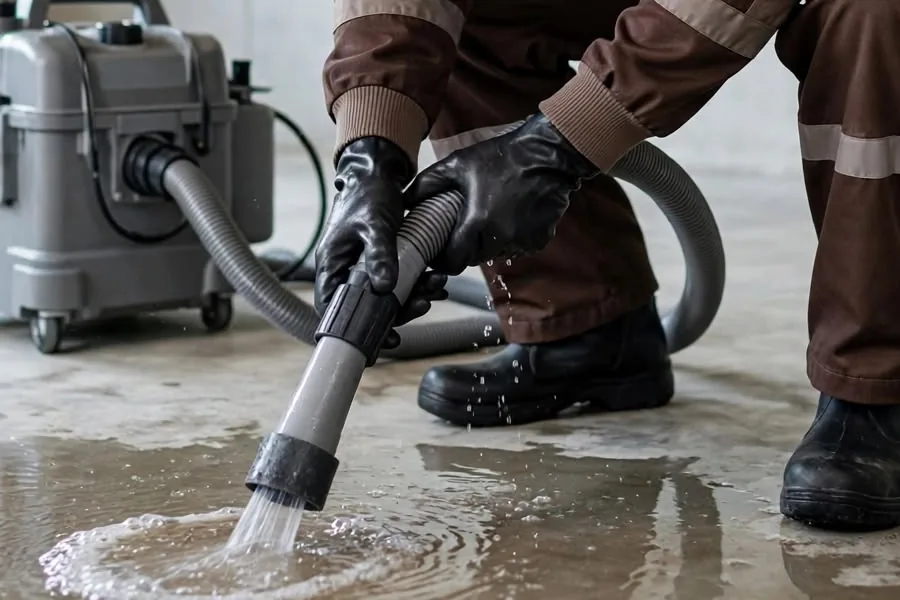
What Water Extraction and Removal Includes
Water removal in Littleton, CO covers more than pumping out a puddle. A typical job includes:
- Locating where the water is and checking that the area is safe to work in
- Pumping standing water out of floors and low areas
- Extracting water from carpet, padding, and flooring
- Removing water from hard floors, baseboards, and the edges of walls
- Taking moisture readings to see how far the water traveled
- Preparing the area for drying
Pumps handle deep standing water, while extractors and wet-vacuum equipment handle water in carpet and on floors, and the choice depends on the depth of the water and the type of flooring. Extraction does not finish the job. It removes the bulk of the water so that drying can work on what remains.
What Standing Water Does the Longer It Sits
It Soaks Into Porous Materials
Carpet, padding, drywall, and insulation absorb water, so the wet area keeps growing even after the visible puddle stops spreading. A room that looks mostly dry can still hold a lot of water in its padding.
It Travels Into Walls and Subfloors
Water wicks up from the floor into baseboards and drywall and sinks down into the subfloor, where surface cleaning cannot reach it.
Mold Can Begin Within 24 to 48 Hours
The EPA (opens in a new tab) advises drying wet materials within a day or two, since mold growth can start in that window, though not every wet area develops mold.
More Materials End Up Needing Replacement
Each extra day of wetness leaves fewer materials worth saving. A university extension guide to cleaning flood-damaged homes (opens in a new tab) says to remove water-logged carpets and pads within 48 hours after flooding subsides.
Where Standing Water Collects in Littleton Properties
Standing water removal in Littleton, CO looks different in each part of a building, because water settles in the lowest and most absorbent places.
Flooded Basements
Rain, snowmelt, a stalled sump pump, or a burst pipe can leave inches of water across a basement floor. Extraction clears it first, which is the opening step of any basement water damage job, before the water soaks drywall and stored items.
Carpet and Padding
Padding holds water long after the carpet surface feels only damp. Carpet water extraction draws water out of both layers. Can wet carpet be saved after a flood? It depends on what kind of water it was and how long it sat, and carpet soaked by floodwater is usually replaced.
Hardwood, Laminate, and Tile Floors
On hardwood and laminate, water seeps through seams and gaps and can sit beneath the surface, and tile floors can hold water in the joints and at the edges. Extraction removes surface water and the water trapped in seams, which helps limit warping.
Laundry Rooms and Utility Spaces
A failed washing machine hose, water heater, or supply line can flood a small room and spread into the rooms next to it, so extraction often has to reach more than one space.
Storm and Flash Flood Water
Heavy rain can push water across streets and into buildings. Storm water extraction comes first in flood damage restoration, and floodwater is treated as contaminated.
Shops, Offices, and Rental Units
In a commercial space, standing water can spread across a wide floor or into neighboring units. Extraction at that scale is part of commercial water damage service.
Why the Water Source Changes How Extraction Is Done
Every extraction job removes water, yet where the water came from sets the precautions that go with it:
- A clean supply line or appliance leak: the water can usually be extracted and the materials dried, if the problem is caught early.
- A sewage backup: the water is contaminated, so extraction is paired with protective gear and sanitizing, and soaked porous materials are sometimes discarded.
- Storm or floodwater: the flood guide above says to assume flood water and flooded materials are contaminated, so the same precautions apply.
Telling us the source up front helps us plan the right approach.
How the Water Extraction Process Works
Here is how professionals remove standing water from a home, in order:
Find the Water and Check Safety
We locate every area holding water and check for hazards, including electrical equipment in or near the water, before work begins. A look at the whole property shows whether water has traveled past the room where it started.
Remove the Standing Water
Pumps and extractors take out standing water first, starting with the deepest areas, so water stops moving into dry materials. Deep water comes out before the finer work on carpet and floors begins.
Pull Water From Carpet, Padding, and Floors
Water soaked into carpet, padding, and flooring comes out next, and moisture readings show where wet materials remain. Hard floors get the same attention at the seams and edges.
Hand Off to Drying
Once the bulk of the water is out, the area moves to drying, which handles the moisture extraction cannot get to. Moisture readings guide how long drying will take and how much equipment the structure needs.
Signs You Need Water Extraction
Water extraction is needed when you see any of these:
- Standing water on any floor
- Carpet that squishes underfoot
- Water from a burst pipe, a failed appliance, or a storm
- Damp baseboards or wet drywall near the floor
- A musty smell in a room that was wet
- Floors that cup, buckle, or lift at the seams
Any of these means the water should come out before drying begins.
What to Do While You Wait for Help
These steps are safe for most property owners and limit the damage before extraction begins:
Stay out of the water if power may be live
Standing water near outlets or appliances can be an electrical hazard, and the flood guide above stresses that electrical safety matters most.
Stop the flow if you can reach the valve safely
Turn off the fixture valve or the main water shutoff.
Lift what you can out of the water
Raise furniture, rugs, and boxes onto dry surfaces.
Take photos and notes
They support an insurance claim.
Limit foot traffic through wet areas
Walking through water can carry it, and any contamination in it, into dry rooms.
Water Extraction vs. Drying: Why Most Jobs Need Both
Is water extraction the same as drying? No. Extraction removes liquid water, and drying removes the moisture that stays in materials after the liquid is gone. Extraction comes first because it takes out most of the water at the start. Then structural drying and dehumidification removes what is left in drywall, framing, and subfloors, and readings confirm when each material is dry. Skipping extraction leaves more water for drying to remove, which makes the whole job slower.
What Affects the Time and Cost of Water Extraction
There is no single price or timeline for water extraction. Depth, spread, room count, flooring type, water source, and access to the wet areas all influence it, and contaminated water adds steps. Any quote follows an assessment, which is why this page lists no prices. For an insurance claim, hold on to photos, notes, and receipts.
Water Extraction in Littleton: What Local Conditions Mean
Several Littleton creeks flow in steep, narrow channels, and according to the city's flood insurance study (opens in a new tab), sheetflow occurs along the lower reaches of Little's Creek and Slaughterhouse Gulch, with floodwater heading for the South Platte River over streets and private land. When water enters a building that way, it is treated as contaminated, so extraction is paired with protective precautions and cleaning.
Water Extraction Service Areas in Littleton, CO
We provide water extraction and water removal in Littleton, Colorado, including these areas:
- Downtown Littleton
- Ketring Park
- Sterne Park
- Goddard
- Heritage
Coverage includes ZIP codes 80121 and 80127 and the Littleton ZIP codes around them. Not certain your street is covered? Include it in your message, and we will confirm.
Get Standing Water Out Before It Spreads
Tell Us Where the Water Is
If water is standing in your home or business, treat the situation as an emergency and contact us now. List the wet rooms and tell us what you see, and we will walk through what happens first.
Details That Help Us Plan the Extraction
Give us the water depth, the cause, whether the source is shut off, and the type of flooring that is wet. Photos of the wet rooms are useful, so long as taking them is safe.
Send the Details by Email
Write to contact@waterdamagerestorationlittleton.us and include your name, phone number, the property address, and a brief description of the water, and we will send the next steps.